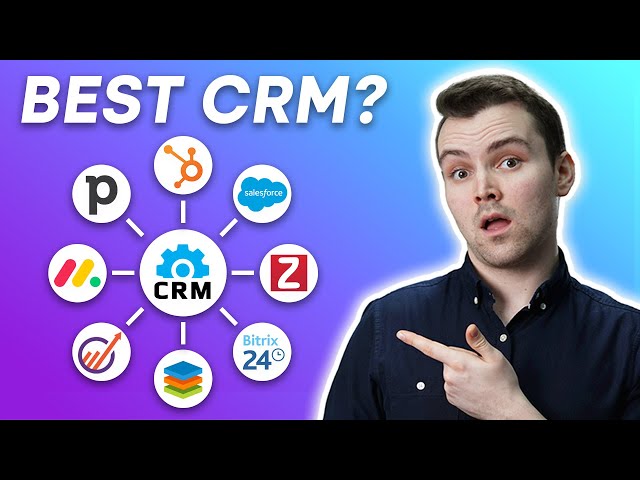
A customer relationship management (CRM) system is a software application that helps businesses manage and track their interactions with customers. It can be used to track sales leads, manage customer accounts, and provide customer service.
CRMs are especially important for service businesses, as they can help businesses keep track of customer needs and provide personalized service. For example, a CRM can be used to track a customer’s past purchases, service requests, and preferences. This information can then be used to provide the customer with targeted offers and personalized service.
There are many different CRM systems available on the market, so it is important to choose one that is right for your business. Some of the most popular CRM systems include Salesforce, Microsoft Dynamics CRM, and Zoho CRM.
CRM for Service Business
A CRM (Customer Relationship Management) system is a powerful tool that can help service businesses manage and track their interactions with customers. It can be used to track sales leads, manage customer accounts, and provide customer service.
There are many different CRM systems available on the market, so it is important to choose one that is right for your business. Some of the most popular CRM systems include Salesforce, Microsoft Dynamics CRM, and Zoho CRM.
- Key Aspect 1: Centralized Data
- Key Aspect 2: Improved Communication
- Key Aspect 3: Automated Processes
- Key Aspect 4: Personalized Service
- Key Aspect 5: Increased Sales
These key aspects are all important for service businesses. By centralizing data, improving communication, automating processes, personalizing service, and increasing sales, a CRM system can help service businesses improve their customer relationships and grow their business.
For example, a CRM system can help a service business track a customer’s past purchases, service requests, and preferences. This information can then be used to provide the customer with targeted offers and personalized service. This can lead to increased sales and improved customer satisfaction.
In addition, a CRM system can help a service business automate processes such as lead generation, marketing campaigns, and customer service. This can free up employees to focus on more important tasks, such as building relationships with customers and generating new business.
Overall, a CRM system is a valuable tool for any service business. By providing a centralized platform for managing customer data and interactions, a CRM system can help businesses improve their customer relationships, grow their business, and achieve their goals.
Key Aspect 1: Centralized Data
Centralized data is a key aspect of CRM for service businesses. By centralizing customer data, businesses can gain a complete view of each customer’s history, preferences, and interactions with the company. This information can then be used to provide personalized service and improve customer relationships.
-
Facet 1: Customer History
A CRM system can track a customer’s past purchases, service requests, and interactions with the company. This information can be used to provide the customer with personalized service and targeted offers.
-
Facet 2: Customer Preferences
A CRM system can store a customer’s preferences, such as their preferred method of communication, their preferred products or services, and their preferred time to be contacted. This information can be used to provide the customer with a more personalized experience.
-
Facet 3: Customer Interactions
A CRM system can track all of the interactions that a customer has with the company, including phone calls, emails, and live chats. This information can be used to identify trends and improve the customer experience.
-
Facet 4: Data Security
A CRM system can help businesses protect customer data from security breaches and data leaks. By centralizing customer data in a secure location, businesses can reduce the risk of data being compromised.
By centralizing customer data, CRM systems can help service businesses improve their customer relationships, grow their business, and achieve their goals.
Key Aspect 2: Improved Communication
Improved communication is a key aspect of CRM for service businesses. By improving communication, businesses can build stronger relationships with their customers, resolve issues more quickly, and increase customer satisfaction.
There are many ways that a CRM system can help improve communication. For example, a CRM system can:
- Centralize customer data. A CRM system can store all of a customer’s contact information, past purchases, service requests, and other interactions with the company in one place. This makes it easy for customer service representatives to access the information they need to quickly and efficiently resolve customer issues.
- Track customer interactions. A CRM system can track all of the interactions that a customer has with the company, including phone calls, emails, live chats, and social media interactions. This information can be used to identify trends and improve the customer experience.
- Provide self-service options. A CRM system can provide customers with self-service options, such as online knowledge bases and FAQs. This can help customers resolve their issues quickly and easily without having to contact customer service.
- Personalize communications. A CRM system can be used to personalize communications with customers. For example, a CRM system can be used to send customers targeted emails based on their past purchases or interests.
By improving communication, CRM systems can help service businesses build stronger relationships with their customers, resolve issues more quickly, and increase customer satisfaction. This can lead to increased sales and improved profitability.
Key Aspect 3: Automated Processes
Automated processes are a key aspect of CRM for service businesses. By automating repetitive tasks, businesses can save time and money, improve efficiency, and provide better customer service.
-
Facet 1: Lead Generation
A CRM system can automate lead generation processes, such as capturing leads from website forms, email campaigns, and social media. This can help businesses generate more leads and grow their customer base.
-
Facet 2: Marketing Campaigns
A CRM system can automate marketing campaigns, such as sending out email newsletters, creating social media posts, and running targeted ads. This can help businesses reach more customers and generate more sales.
-
Facet 3: Customer Service
A CRM system can automate customer service processes, such as responding to customer inquiries, resolving customer issues, and tracking customer feedback. This can help businesses provide better customer service and build stronger customer relationships.
-
Facet 4: Reporting and Analytics
A CRM system can automate reporting and analytics processes, such as generating sales reports, tracking customer trends, and identifying areas for improvement. This can help businesses make better decisions and improve their overall performance.
By automating processes, CRM systems can help service businesses save time and money, improve efficiency, and provide better customer service. This can lead to increased sales and improved profitability.
Key Aspect 4: Personalized Service
Personalized service is a key aspect of CRM for service businesses. By providing personalized service, businesses can build stronger relationships with their customers, increase customer satisfaction, and drive sales.
There are many ways that a CRM system can help businesses provide personalized service. For example, a CRM system can be used to:
- Track customer preferences. A CRM system can store a customer’s preferred method of communication, their preferred products or services, and their preferred time to be contacted. This information can be used to provide the customer with a more personalized experience.
- Create personalized marketing campaigns. A CRM system can be used to create personalized marketing campaigns that are tailored to the interests of each customer. For example, a business could send a customer a coupon for their favorite product or service.
- Provide personalized customer service. A CRM system can be used to provide personalized customer service. For example, a customer service representative could use a CRM system to access a customer’s past interactions with the company and provide them with the best possible service.
Providing personalized service is essential for service businesses. By providing personalized service, businesses can build stronger relationships with their customers, increase customer satisfaction, and drive sales.
Here is an example of how a CRM system can be used to provide personalized service:
A customer service representative is helping a customer who is having trouble with their product. The customer service representative uses the CRM system to access the customer’s past interactions with the company. The customer service representative sees that the customer has had this problem before and that it was resolved by a particular technician. The customer service representative then connects the customer with the technician who resolved the problem in the past. This ensures that the customer receives the best possible service and that their problem is resolved quickly and efficiently.
This is just one example of how a CRM system can be used to provide personalized service. By providing personalized service, businesses can build stronger relationships with their customers, increase customer satisfaction, and drive sales.
Key Aspect 5: Increased Sales
Increased sales is a key aspect of CRM for service businesses. By using a CRM system, businesses can track their sales pipeline, manage their customer relationships, and automate their marketing and sales processes. This can lead to increased sales and improved profitability.
There are many ways that a CRM system can help businesses increase sales. For example, a CRM system can:
- Improve lead generation. A CRM system can help businesses generate more leads by capturing leads from website forms, email campaigns, and social media. This can help businesses grow their customer base and increase their sales pipeline.
- Qualify leads. A CRM system can help businesses qualify leads by tracking their interactions with the company. This can help businesses identify which leads are most likely to convert into customers.
- Nurture leads. A CRM system can help businesses nurture leads by sending them automated emails and marketing campaigns. This can help businesses build relationships with leads and move them through the sales pipeline.
- Close deals. A CRM system can help businesses close deals by tracking the progress of sales opportunities. This can help businesses identify which deals are most likely to close and focus their efforts on those deals.
By using a CRM system, businesses can improve their sales process and increase their sales. This can lead to improved profitability and growth.
Here is an example of how a CRM system can be used to increase sales:
A sales representative is working on a deal with a potential customer. The sales representative uses the CRM system to track the progress of the deal and identify the next steps. The sales representative also uses the CRM system to send the potential customer automated emails and marketing campaigns. This helps the sales representative build a relationship with the potential customer and move them through the sales pipeline.
This is just one example of how a CRM system can be used to increase sales. By using a CRM system, businesses can improve their sales process and increase their sales. This can lead to improved profitability and growth.
FAQs on CRM for Service Businesses
Here are some frequently asked questions about CRM for service businesses:
Q: What is CRM?
A: CRM stands for customer relationship management. It is a software application that helps businesses manage and track their interactions with customers.
Q: Why is CRM important for service businesses?
A: CRM is important for service businesses because it can help them track customer data, improve communication, automate processes, personalize service, and increase sales.
Q: What are the benefits of using CRM for service businesses?
A: The benefits of using CRM for service businesses include improved customer relationships, increased sales, improved efficiency, and better decision-making.
Q: How can I choose the right CRM for my service business?
A: When choosing a CRM for your service business, you should consider your business’s size, industry, and specific needs.
Q: How much does CRM cost?
A: The cost of CRM varies depending on the features and functionality that you need. There are CRM systems available for businesses of all sizes and budgets.
Q: How do I get started with CRM?
A: To get started with CRM, you should first choose a CRM system that is right for your business. Once you have chosen a CRM system, you should implement it and train your employees on how to use it.
CRM is a valuable tool for service businesses. By using CRM, service businesses can improve their customer relationships, increase sales, and improve efficiency.
CRM Tips for Service Businesses
A customer relationship management (CRM) system is a powerful tool that can help service businesses manage and track their interactions with customers. By using a CRM, service businesses can improve customer relationships, increase sales, and improve efficiency.
Here are five tips for using CRM for service businesses:
Tip 1: Centralize customer data.
A CRM system can store all of a customer’s contact information, past purchases, service requests, and other interactions with the company in one place. This makes it easy for customer service representatives to access the information they need to quickly and efficiently resolve customer issues.
Tip 2: Track customer interactions.
A CRM system can track all of the interactions that a customer has with the company, including phone calls, emails, live chats, and social media interactions. This information can be used to identify trends and improve the customer experience.
Tip 3: Personalize communications.
A CRM system can be used to personalize communications with customers. For example, a CRM system can be used to send customers targeted emails based on their past purchases or interests.
Tip 4: Automate processes.
A CRM system can automate repetitive tasks, such as lead generation, marketing campaigns, and customer service. This can help businesses save time and money, improve efficiency, and provide better customer service.
Tip 5: Use CRM to gain insights.
A CRM system can be used to generate reports and analytics that can help businesses understand their customers and make better decisions.
By following these tips, service businesses can use CRM to improve their customer relationships, increase sales, and improve efficiency.
CRM is a valuable tool for service businesses. By using CRM, service businesses can gain a competitive advantage and achieve their business goals.
Conclusion
CRM (Customer Relationship Management) is an essential tool for service businesses. By implementing a CRM system, service businesses can gain a competitive advantage and achieve their business goals.
CRM systems help service businesses manage and track their interactions with customers. This enables businesses to provide personalized service, resolve issues quickly and efficiently, and build stronger customer relationships. Additionally, CRM systems can automate processes, generate reports and analytics, and help businesses gain insights into their customers.
By leveraging the power of CRM, service businesses can improve their customer service, increase sales, and improve efficiency. In today’s competitive business landscape, CRM is a must-have tool for service businesses that want to succeed.
Youtube Video: