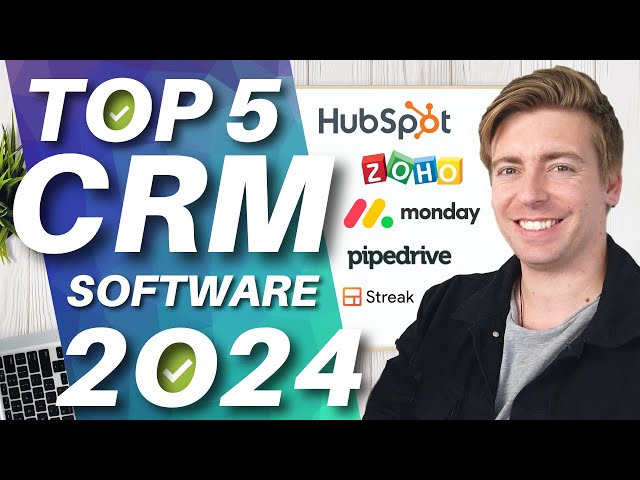
A customer relationship management (CRM) tool is a software that helps businesses manage and track their interactions with customers. It can help businesses keep track of customer contact information, sales history, and marketing campaigns. A CRM tool can also help businesses automate tasks, such as sending out emails or scheduling appointments.
CRM tools are important for businesses of all sizes. They can help businesses improve customer service, increase sales, and reduce costs. CRM tools have been around for decades, but they have become increasingly popular in recent years as businesses have become more focused on customer relationship management.
There are many different CRM tools on the market, so it is important to choose one that is right for your business. Some of the most popular CRM tools include Salesforce, HubSpot, and Microsoft Dynamics CRM. When choosing a CRM tool, it is important to consider your business’s size, industry, and budget.
best crm tools
Customer relationship management (CRM) tools are essential for businesses of all sizes. They can help businesses improve customer service, increase sales, and reduce costs. When choosing a CRM tool, it is important to consider your business’s size, industry, and budget. Some of the most popular CRM tools include Salesforce, HubSpot, and Microsoft Dynamics CRM.
- CRM
- software
- track
- business
- customers
These five key aspects are essential for any CRM tool. They ensure that businesses can effectively track and manage their customer interactions. CRM tools can help businesses of all sizes improve their customer service, increase sales, and reduce costs.
CRM
Customer relationship management (CRM) is a strategy for managing all interactions with customers. It is a way for businesses to keep track of customer contact information, sales history, and marketing campaigns. CRM is important because it helps businesses understand their customers and build relationships with them. CRM tools are software applications that help businesses implement CRM strategies. They provide a central repository for customer data and offer a variety of features to help businesses track and manage customer interactions.
The best CRM tools are those that are tailored to the specific needs of a business. They should be easy to use and integrate with other business systems. They should also provide robust reporting and analytics capabilities. When choosing a CRM tool, it is important to consider the size of your business, your industry, and your budget.
CRM is essential for businesses of all sizes. It can help businesses improve customer service, increase sales, and reduce costs. By using a CRM tool, businesses can gain insights into their customers’ needs and preferences. This information can be used to create targeted marketing campaigns and improve customer service. CRM tools can also help businesses automate tasks, such as sending out emails or scheduling appointments. This can free up employees’ time so that they can focus on more important tasks.
software
Software is a critical component of the best CRM tools. It provides the foundation for managing and tracking customer interactions. Without software, CRM tools would not be able to store customer data, track sales history, or automate tasks.
The best CRM software is designed to be easy to use and integrate with other business systems. It should also provide robust reporting and analytics capabilities. When choosing CRM software, it is important to consider the size of your business, your industry, and your budget.
CRM software can help businesses of all sizes improve their customer service, increase sales, and reduce costs. By using CRM software, businesses can gain insights into their customers’ needs and preferences. This information can be used to create targeted marketing campaigns and improve customer service. CRM software can also help businesses automate tasks, such as sending out emails or scheduling appointments. This can free up employees’ time so that they can focus on more important tasks.
track
Tracking is essential for any CRM tool. It allows businesses to keep track of customer interactions, sales history, and marketing campaigns. This information can be used to improve customer service, increase sales, and reduce costs.
-
Customer Interactions
CRM tools can track all customer interactions, including phone calls, emails, and social media posts. This information can be used to identify trends and patterns in customer behavior. Businesses can use this information to improve their customer service and marketing campaigns.
-
Sales History
CRM tools can track sales history, including the products or services that were sold, the prices that were charged, and the dates of the sales. This information can be used to identify trends in sales and to forecast future sales.
-
Marketing Campaigns
CRM tools can track marketing campaigns, including the channels that were used, the messages that were sent, and the results of the campaigns. This information can be used to identify which marketing campaigns are most effective and to improve future campaigns.
By tracking customer interactions, sales history, and marketing campaigns, CRM tools can help businesses gain a better understanding of their customers. This information can be used to improve customer service, increase sales, and reduce costs.
business
Businesses of all sizes can benefit from using a CRM tool. CRM tools can help businesses improve customer service, increase sales, and reduce costs. By understanding the connection between business and CRM tools, businesses can make informed decisions about which CRM tool is right for them.
One of the most important things to consider when choosing a CRM tool is the size of your business. Small businesses may not need all of the features that a large enterprise CRM tool offers. Conversely, large businesses may need a more robust CRM tool that can handle a high volume of data and complex business processes.
Another important factor to consider is the industry in which your business operates. Different industries have different CRM needs. For example, a manufacturing business may need a CRM tool that can track inventory and manage customer orders. A healthcare business may need a CRM tool that can track patient records and appointments.
Once you have considered the size of your business and your industry, you can start to evaluate different CRM tools. It is important to compare the features of different CRM tools and to choose a tool that is a good fit for your business needs.
CRM tools can be a valuable asset for businesses of all sizes. By understanding the connection between business and CRM tools, businesses can make informed decisions about which CRM tool is right for them and improve their customer service, increase sales, and reduce costs.
customers
The relationship between customers and best CRM tools is crucial for businesses to succeed in today’s competitive market. CRM tools help businesses manage and track their interactions with customers, which can lead to improved customer service, increased sales, and reduced costs.
-
Customer Segmentation
CRM tools allow businesses to segment their customers based on demographics, interests, and behaviors. This information can be used to create targeted marketing campaigns and improve customer service.
-
Customer Tracking
CRM tools allow businesses to track all interactions with customers, including phone calls, emails, and social media posts. This information can be used to identify trends and patterns in customer behavior and provide personalized service.
-
Customer Relationship Management
CRM tools help businesses manage their relationships with customers by providing a central repository for customer data. This information can be used to track customer interactions, resolve customer issues, and build stronger relationships.
-
Customer Analytics
CRM tools provide businesses with powerful analytics tools that can be used to track customer behavior and identify trends. This information can be used to improve marketing campaigns, product development, and customer service.
By understanding the connection between customers and best CRM tools, businesses can make informed decisions about which CRM tool is right for them. CRM tools can help businesses of all sizes improve their customer service, increase sales, and reduce costs.
FAQs on Best CRM Tools
Customer relationship management (CRM) tools are essential for businesses of all sizes. They can help businesses improve customer service, increase sales, and reduce costs. However, there are many different CRM tools on the market, and it can be difficult to know which one is right for your business.
Here are answers to some of the most common questions about CRM tools:
Question 1: What is a CRM tool?Answer: A CRM tool is a software application that helps businesses manage and track their interactions with customers. It can help businesses keep track of customer contact information, sales history, and marketing campaigns. CRM tools can also help businesses automate tasks, such as sending out emails or scheduling appointments.Question 2: What are the benefits of using a CRM tool?Answer: CRM tools can help businesses improve customer service, increase sales, and reduce costs. By using a CRM tool, businesses can gain insights into their customers’ needs and preferences. This information can be used to create targeted marketing campaigns and improve customer service. CRM tools can also help businesses automate tasks, such as sending out emails or scheduling appointments. This can free up employees’ time so that they can focus on more important tasks.Question 3: How do I choose the right CRM tool for my business?Answer: When choosing a CRM tool, it is important to consider your business’s size, industry, and budget. Some of the most popular CRM tools include Salesforce, HubSpot, and Microsoft Dynamics CRM.Question 4: How much does a CRM tool cost?Answer: The cost of a CRM tool can vary depending on the features and functionality that you need. Some CRM tools are free to use, while others can cost hundreds or even thousands of dollars per month.Question 5: How do I implement a CRM tool?Answer: Implementing a CRM tool can be a complex process. It is important to plan carefully and to get buy-in from all of the stakeholders in your business. You may also need to hire a consultant to help you with the implementation process.Question 6: What are the common mistakes to avoid when using a CRM tool?Answer: Some of the most common mistakes to avoid when using a CRM tool include: – Not using the tool consistently – Not entering accurate data into the tool – Not using the tool to its full potential – Not getting buy-in from all of the stakeholders in your business
By understanding the answers to these common questions, you can make informed decisions about CRM tools and how they can benefit your business.
Transition to the next article section…
Tips for Using “best crm tools”
Customer relationship management (CRM) tools can be a valuable asset for businesses of all sizes. However, it is important to use CRM tools effectively in order to maximize their benefits. Here are a few tips for using CRM tools:
Tip 1: Define your goals and objectives. Before you start using a CRM tool, it is important to define your goals and objectives. What do you want to achieve with your CRM tool? Do you want to improve customer service? Increase sales? Reduce costs? Once you know your goals, you can choose a CRM tool that is designed to meet your specific needs.
Tip 2: Implement your CRM tool correctly. Once you have chosen a CRM tool, it is important to implement it correctly. This means training your employees on how to use the tool and making sure that your data is accurate and up-to-date. If your CRM tool is not implemented correctly, you will not be able to reap its full benefits.
Tip 3: Use your CRM tool consistently. One of the most important things for using a CRM tool is to use it consistently. If you only use your CRM tool sporadically, you will not be able to track your customer interactions effectively. Make sure to enter all of your customer data into your CRM tool and to update it regularly.
Tip 4: Use your CRM tool to its full potential. Most CRM tools offer a variety of features and functionality. Make sure to take advantage of all of the features that your CRM tool offers. This will help you to get the most out of your CRM tool and to improve your customer relationships.
Tip 5: Get buy-in from all of your stakeholders. It is important to get buy-in from all of your stakeholders before you implement a CRM tool. This will help to ensure that everyone is on the same page and that the CRM tool is used effectively. Make sure to communicate the benefits of the CRM tool to your stakeholders and to answer any questions that they may have.
By following these tips, you can use your CRM tool effectively to improve your customer relationships and grow your business.
Summary of key takeaways or benefits:
- Improved customer service
- Increased sales
- Reduced costs
- Improved customer relationships
- Business growth
Transition to the article’s conclusion:
CRM tools can be a valuable asset for businesses of all sizes. By following these tips, you can use your CRM tool effectively to improve your customer relationships and grow your business.
Conclusion
Customer relationship management (CRM) tools have become indispensable for businesses looking to optimize their customer interactions, boost sales, and minimize expenses. This article has explored the multifaceted nature of CRM tools, shedding light on their significance and the advantages they offer businesses of various sizes and industries.
It is evident from the discussion that CRM tools empower businesses with the ability to centralize customer data, track interactions, automate tasks, and derive valuable insights into customer behavior. By leveraging these capabilities, businesses can enhance the quality of their customer service, nurture stronger customer relationships, and make data-driven decisions that drive growth and profitability.
In today’s competitive business landscape, adopting a robust CRM tool is not merely an option but a necessity. Businesses that embrace CRM technology will be well-positioned to navigate the ever-changing market dynamics, gain a competitive edge, and achieve long-term success.
Youtube Video: